
ESO Pays Courtesy Visit to Manobo’s Punong Barangay; Conducts Needs Assessment
May 25, 2026
Dr. Tamie C. Solpot Named USM College of Agriculture Dean
May 26, 2026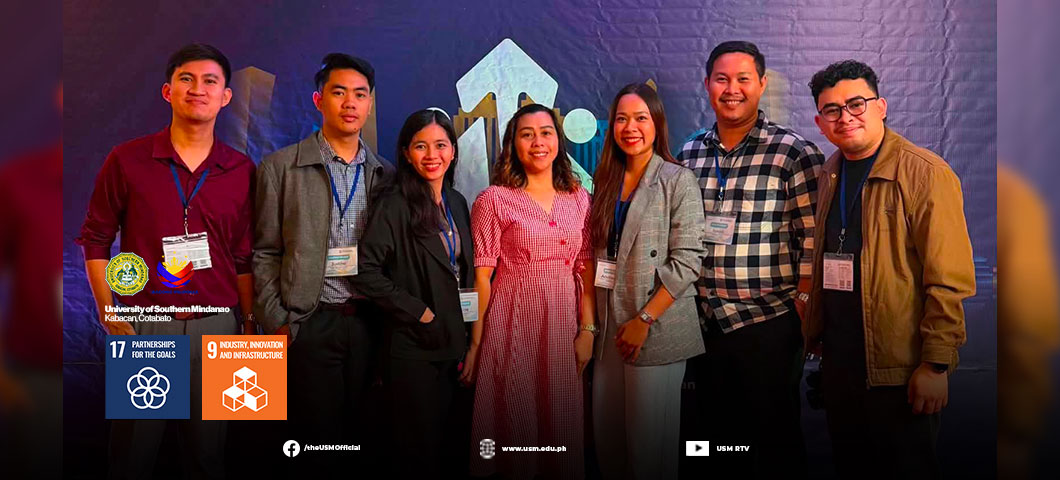
Personnel from the University of Southern Mindanao joined the 2nd Science and Technology Impact Assessment Conference on May 25–26, 2026, at Acacia Hotel Manila.
The conference gathered researchers, practitioners, policymakers, and stakeholders who support impact assessment in science, technology, and innovation. The event featured plenary sessions, breakout discussions, and knowledge-sharing activities that focused on reviewing and improving science and technology-driven development programs.
The conference also held collaborative sessions that helped improve tools used in assessing the long-term social, economic, and technological impact of science and technology programs. Participants also joined a hands-on workshop on designing and conducting impact assessment studies to support continuous learning and innovation in the field.
Experts and practitioners from different fields shared methods, applications, and insights on impact assessment in science and technology. Through the discussions, the conference promoted practical and evidence-based approaches that help improve policies, guide decision-making, and strengthen research systems.
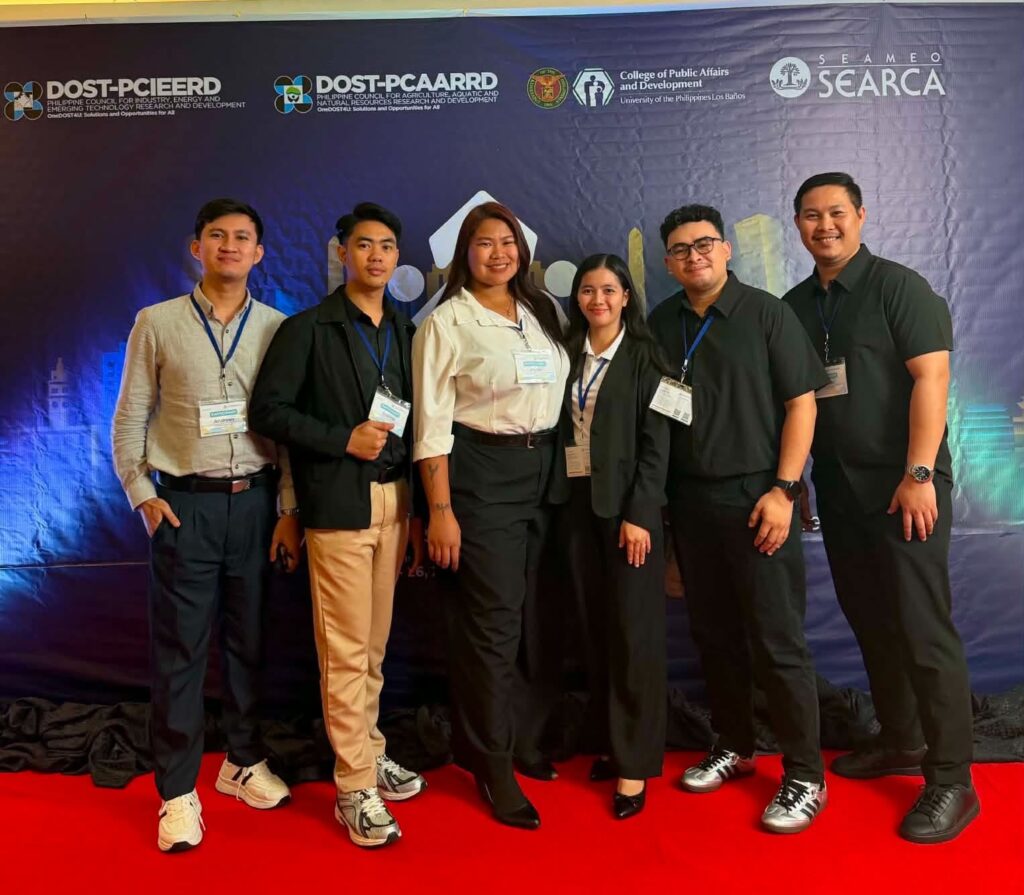
USM attendees were composed of Dr. Jennet R. Mag-aso, Project Leader of Mango IA Team funded by DOST-PCAARRD, and Dr. Romiel John P. Basan, Project Leader of the IARC Project Team – DOST PCIEERD funded, along with their staff.
According to Dr. Basan, the conference enhanced his understanding on the methodologies and strategies in implementing [impact assessment] IA projects.
“It also provided an avenue for dialogues with other practitioners and build networks. This conference taught me that positive or negative impacts are still impacts and should be accounted.” He said in an interview.
“In addition, while quantitative techniques and methodologies are apparent in most IA studies, the use of qualitative methodologies provides the “soul” of the numbers – it tells the story behind the numbers. As they say, “May kwenta ang kwento, may kwento and kwenta,” Dr. Basan spoke.
The conference aimed to strengthen the practice and institutionalization of impact assessment in science and technology. Specifically, it aimed to improve the skills of researchers, program managers, and decision-makers in conducting and using impact assessment for research and development governance; present innovative methods and global best practices through expert talks and case studies; and encourage the integration of impact assessment frameworks into science and technology policies, planning, and monitoring systems across institutions.