
USM Posts LET Performance, Produces Elementary and Secondary Topnotchers
December 18, 2025
USM Hosts Onsite Monitoring for Flood and Landslide Preparedness Project
December 22, 2025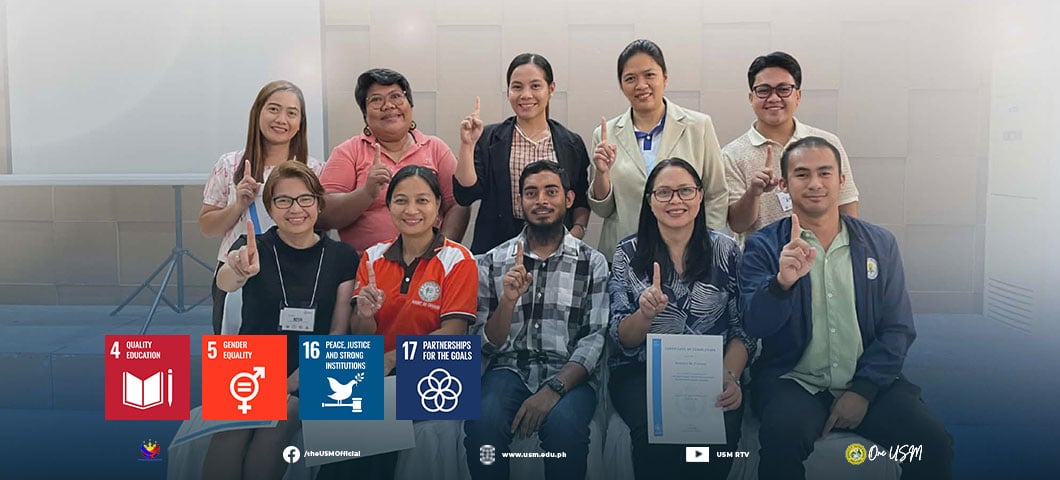
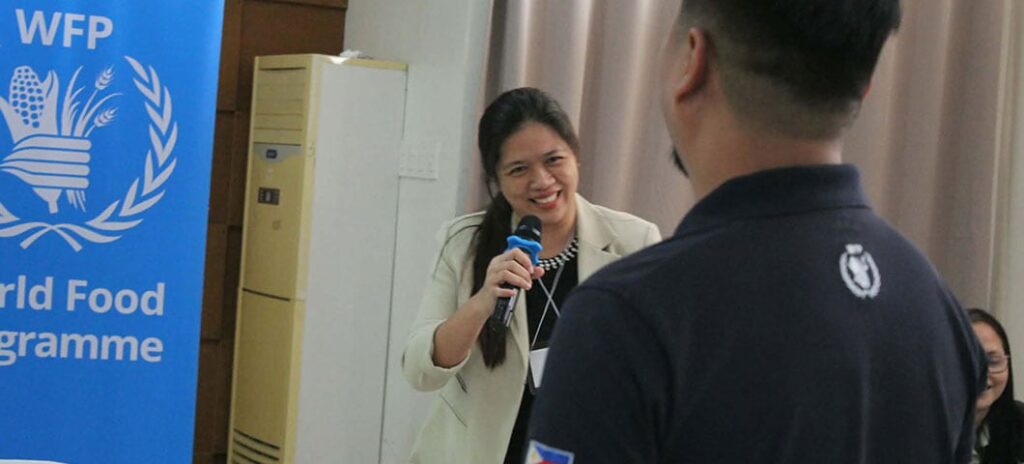
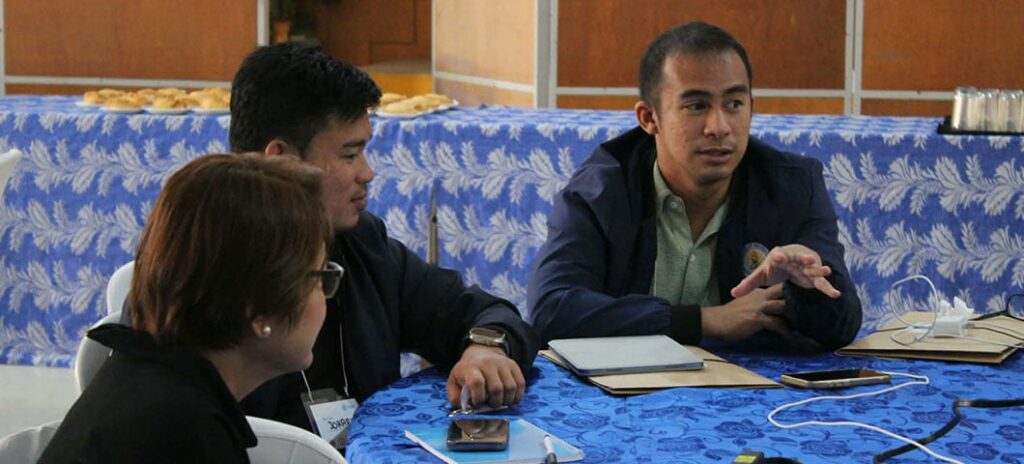
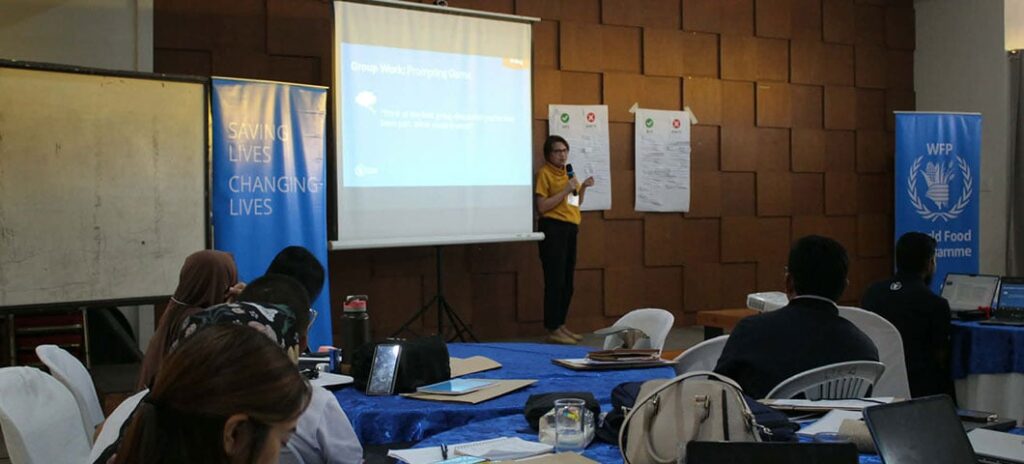
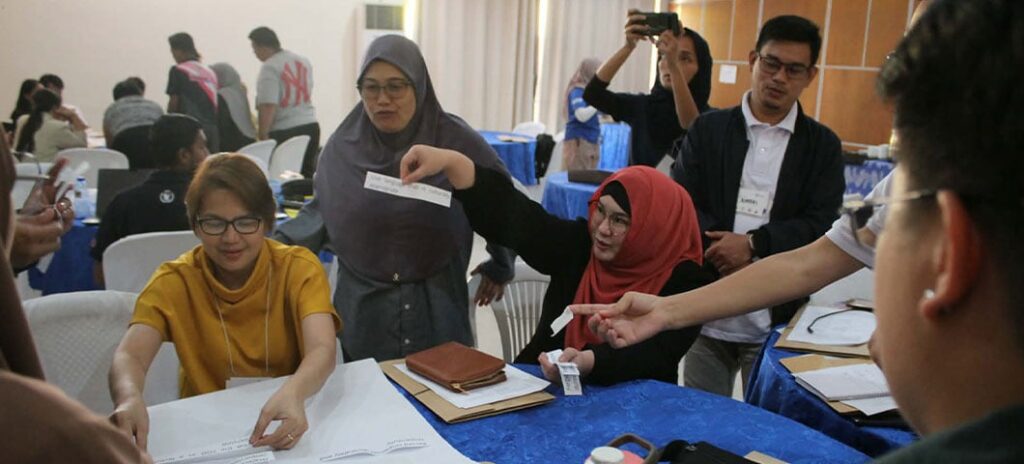
Research experts from the University of Southern Mindanao (USM) participated in a workshop titled “Training on Social Science Research and Intersectional Gender Analysis (IGA)” on December 11, 2025, at Kutawato Function Hall, KDT Manor, Cotabato City. The two-day activity comprised lecture sessions and interactive role-plays and workshops, all aimed at strengthening USM research experts’ capacity to conduct inclusive and gender-responsive social science research.
Representing the University of Southern Mindanao was a delegation of esteemed faculty, researchers, and staff including Professors Roselyn Clemen, Metche Ann Logronio, Daryl Mae Mamon, Anna Jean Garcia, Gelyn Amilbahar, Anamarie Uyangurin, and Ezra Ivan Rey Abalos, alongside Ms. Rahima Cabunto and Mr. Jimwell Pande.
Hosted by the World Food Programme (WFP), the initiative brought together a diverse cohort of 23 stakeholders from across the region, including representatives from USM, MSU-Maguindanao, the Bangsamoro Women Commission (BWC), and the Agrea Foundation.
The first day commenced with an introduction by WFP Project Assistant Al-King Dilangalen, followed by a comprehensive lecture on Social Science Research (SSR). The session covered essential frameworks, including research paradigms, methodologies, data collection procedures, sampling, and research ethics.
To delve into Intersectional Gender Analysis (IGA), WFP Gender and Protection Officer Masum Billah spearheaded a discussion on utilizing Focus Group Discussions (FGD) and Key Informant Interviews (KII). These tools were presented as vital for collecting nuanced, qualitative data to understand how gender intersects with other identity factors—such as age, socio-economic status, and location—to shape community experiences, needs, and power relations.
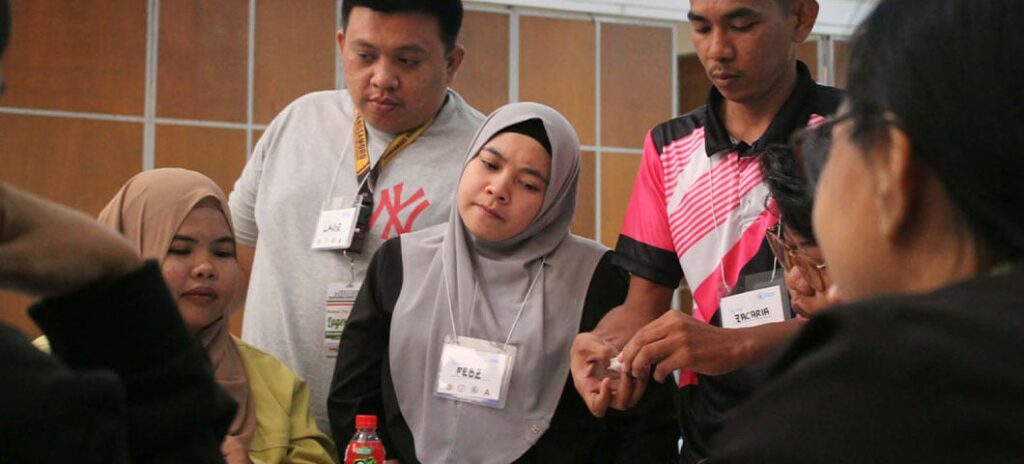
To translate theoretical concepts into practical application, the session featured a series of role-plays simulating real-life data collection scenarios. Using FGDs and KIIs, participants navigated complex gender and social dynamics, gaining hands-on experience in managing “on-the-spot” challenges that often arise in the field. This immersive exercise led directly into a technical workshop, where participants collaborated to develop and refine specialized data collection tools, including interview guides and questionnaires.
The second day of the workshop shifted focus toward the technicalities of data management. Participants delved into the intricacies of note-taking, data transcription, and analysis—highlighting these as the essential pillars for producing credible research findings and generating evidence-based conclusions for the social sciences.
The workshop wrapped up with the distribution of certificates and closing remarks from Rohaniya A. Mohammad (BWC), who challenged the researchers to use their new skills to champion inclusive development across the Bangsamoro Autonomous Region in Muslim Mindanao (BARMM).
“Our expectation moving forward is clear. The evidence that we will help generate must support better designed services, more inclusive food security programs, and stronger protection for marginalized women, men, and diverse groups across BARMM. I encourage you to apply what you have learned and share these approaches with your colleagues. Let us all keep raising questions so that our analysis continues to reflect the real situations of the communities we serve,” she expressed.
Following a strategic inception meeting on August 29, 2025, the collaboration between USM and WFP continues to strengthen. By integrating SSR and IGA into development programming, both institutions are ensuring that humanitarian efforts in BARMM remain evidence-based and contextually sensitive, directly addressing the unique social and gender dynamics of the region.